Pressure you can feel on the page.
Letterpress drives the type into the sheet, so the impression isn’t printed on the paper — it’s part of it. Run a finger across it and you can feel where the letters bite in.
Get a quote →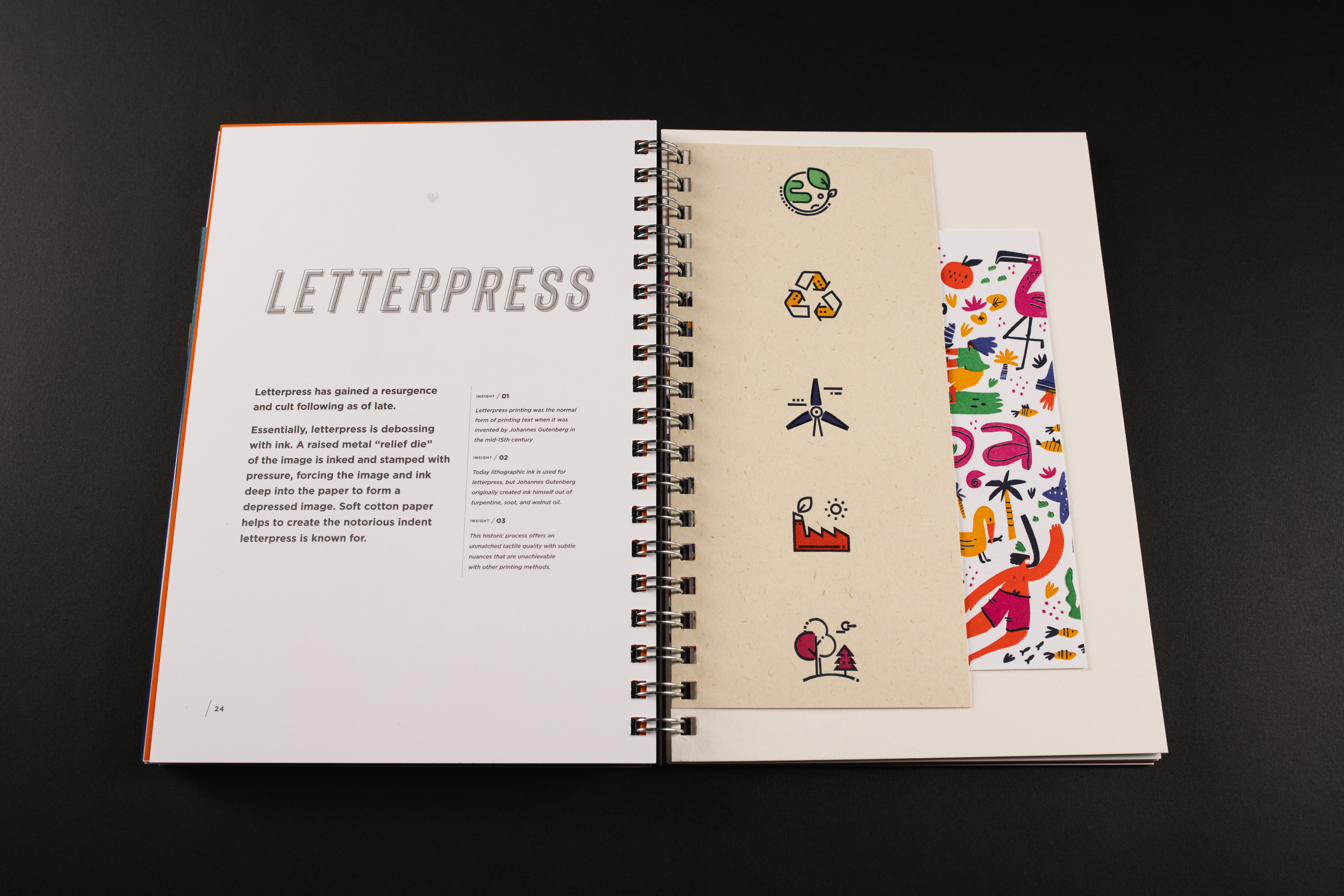
The type is part of the paper, not on top of it.
A raised plate presses ink and shape into a soft, heavier stock. The deeper the impression, the more tactile the result — which is why letterpress lives on cotton and other forgiving papers that take the bite and hold it.
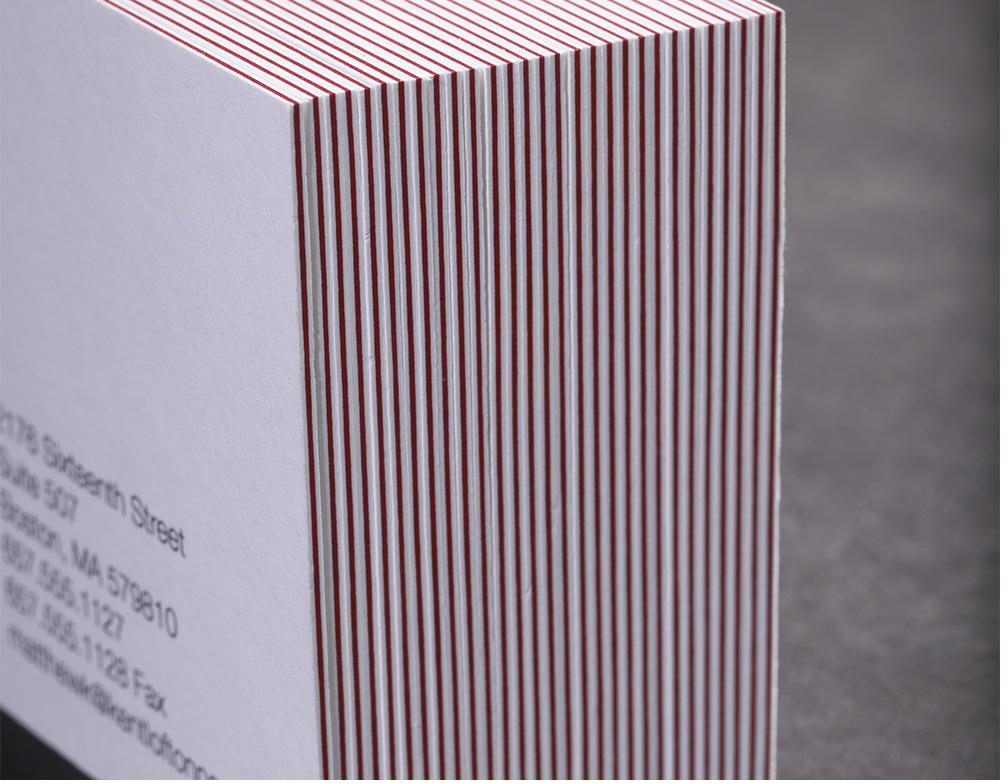
The hand registers the impression before the eye reads a word — the piece signals care on contact.
On cotton and heavier text weights the plate can press deep, leaving a crisp, lasting relief.
Hand-mixed ink settles into the impression — even, saturated, and consistent run to run.
Run here, checked against the proof.
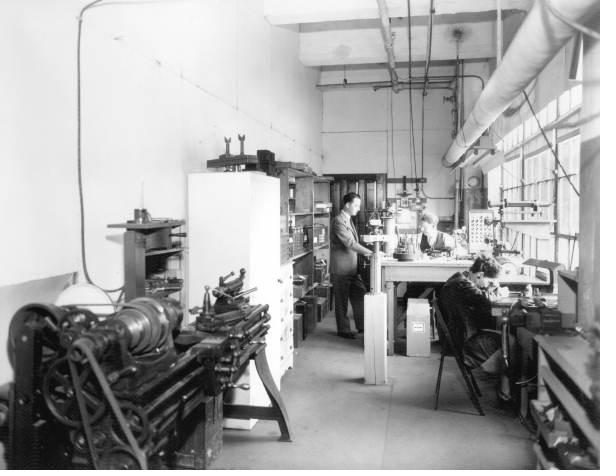
Letterpress is pressure and timing — small drifts show. We run it in the same building as everything else and check it against the proof you approved.
The plate is made and the impression is pulled under one roof — nothing handed to a finisher who loses the thread.
Letterpress sits next to foil, emboss, and engraving in the same shop — combine techniques on one piece, in register.
Where it earns its place.
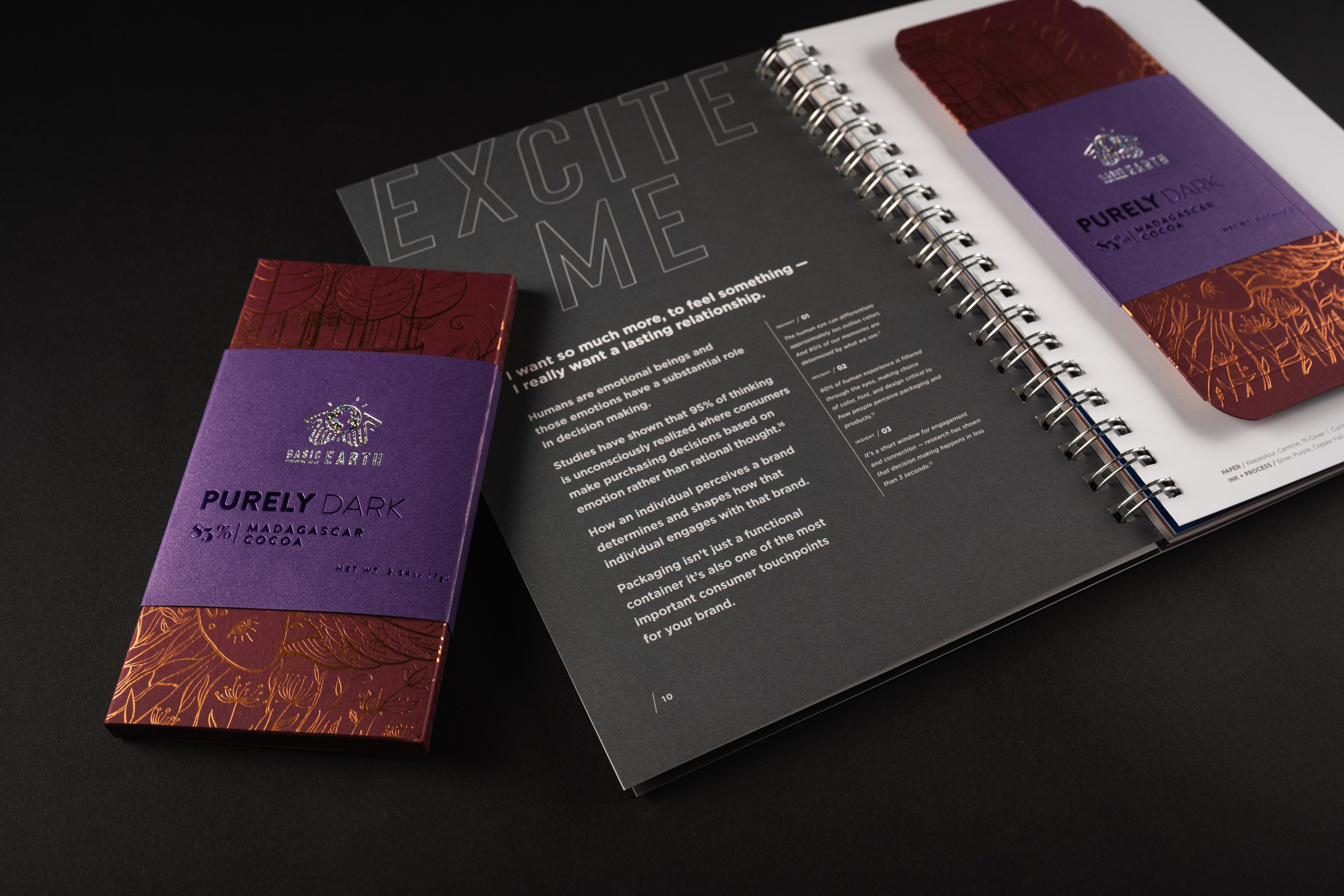
Handed across the table and felt in the hand — the impression lands before the name is read.
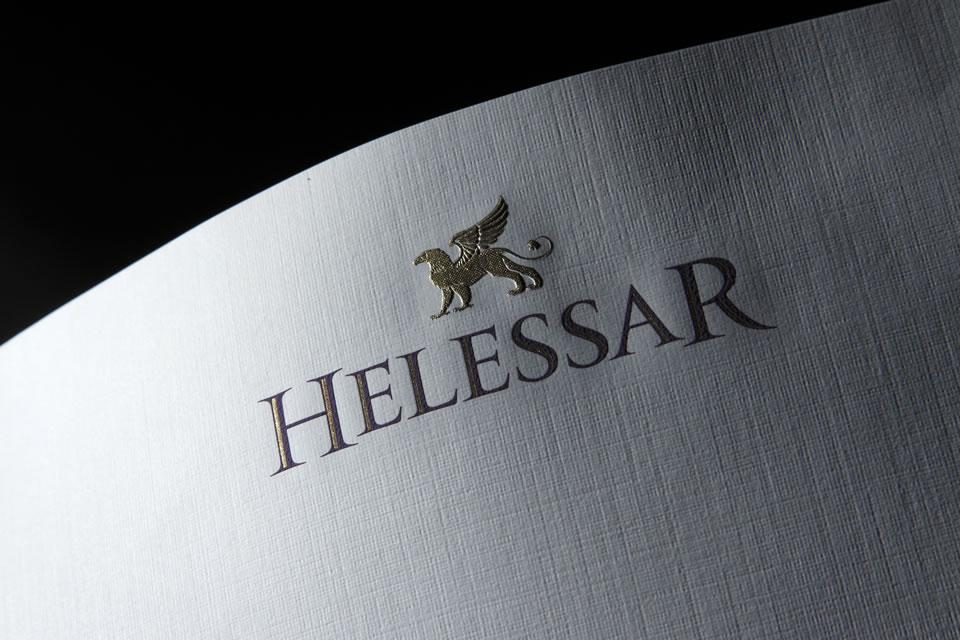
Sets the expectation for the occasion before the eye reaches the date.
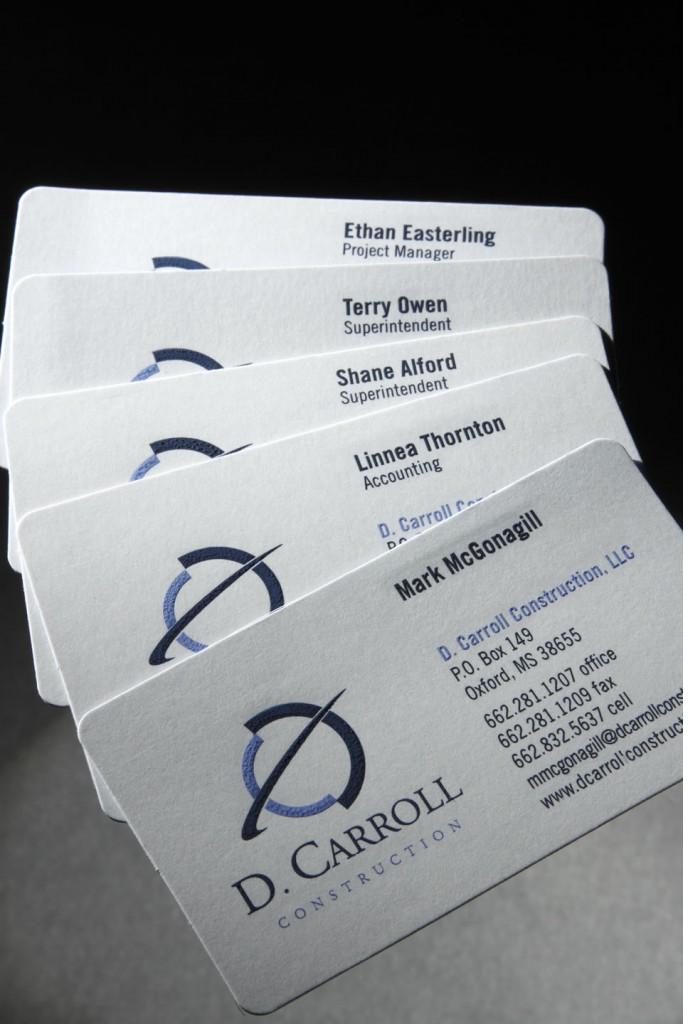
Menus, cards, and folios that read considered the moment a guest picks them up.
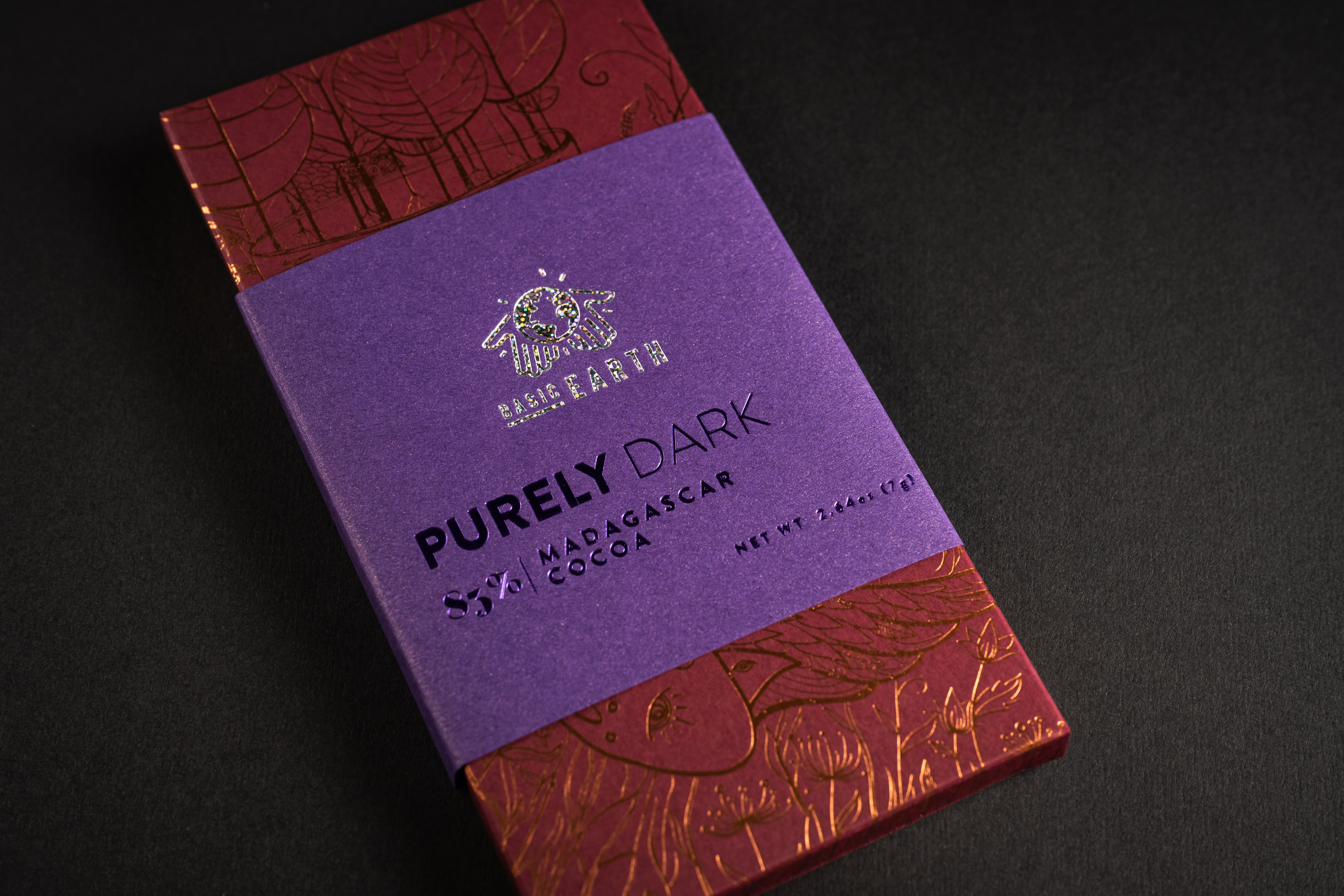
A printed insert that feels like the product it ships with — not a throwaway slip.
- Process
- Relief impression from a raised plate
- Color
- Per plate, hand-mixed ink
- Stock
- Cotton & soft cover weights — pending
- Impression depth
- Max depth — pending
- Turnaround
- Business days — pending
Ready to order letterpress? It’s available now on Business Cards, Note Cards, and Presentation Folders.