Cut, scored, and formed in-house.
Die-cutting gives a piece its shape — folders, cartons, custom edges, and structural work. The cutting, scoring, folding, and gluing all happen on the same floor as the printing.
Get a quote →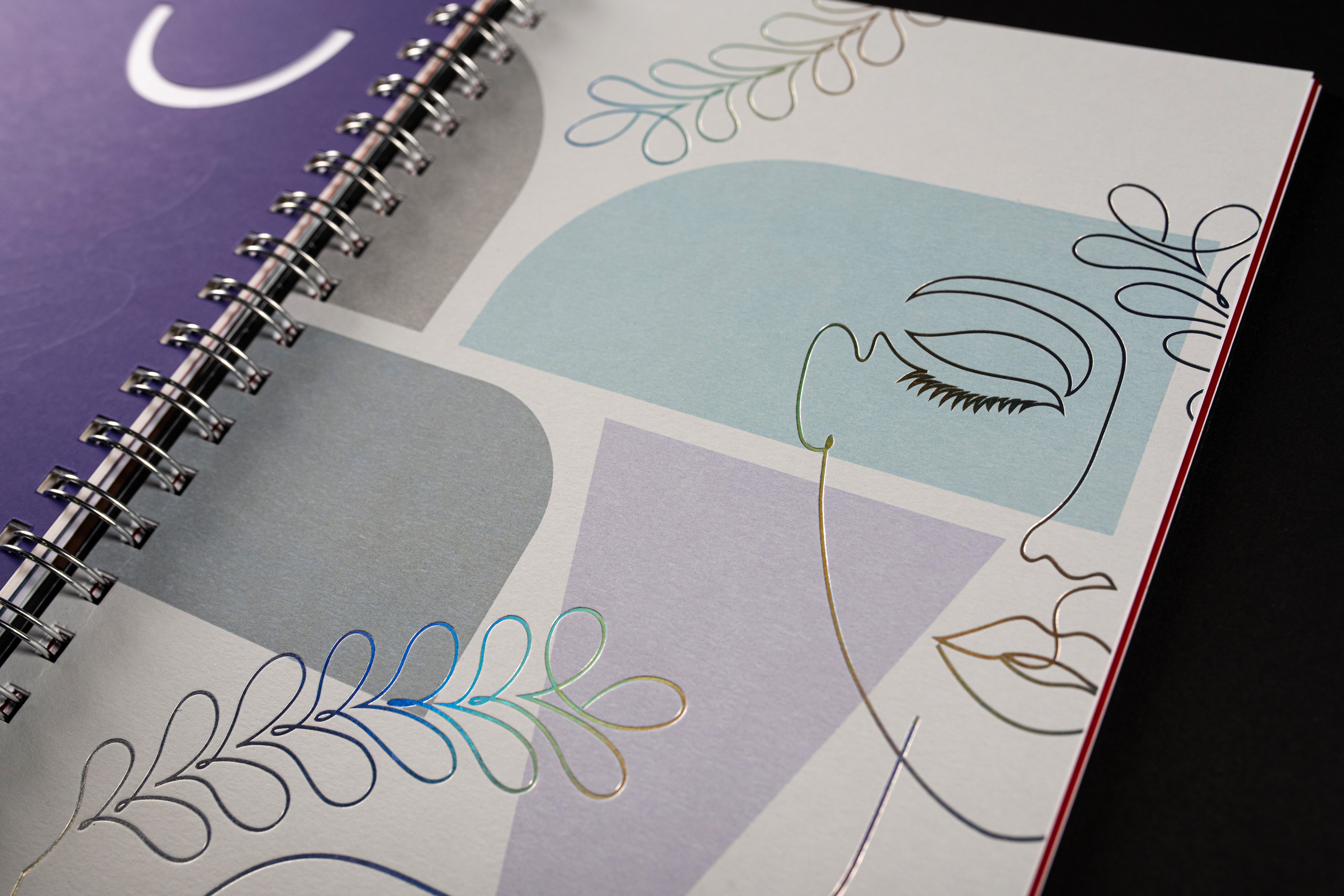
A steel die gives flat stock its shape.
A custom steel rule die cuts and creases the sheet so it can fold into a folder, a carton, or any non-standard shape. Scoring sets clean folds; gluing and forming finish the structure. It’s how a printed sheet becomes a built object.
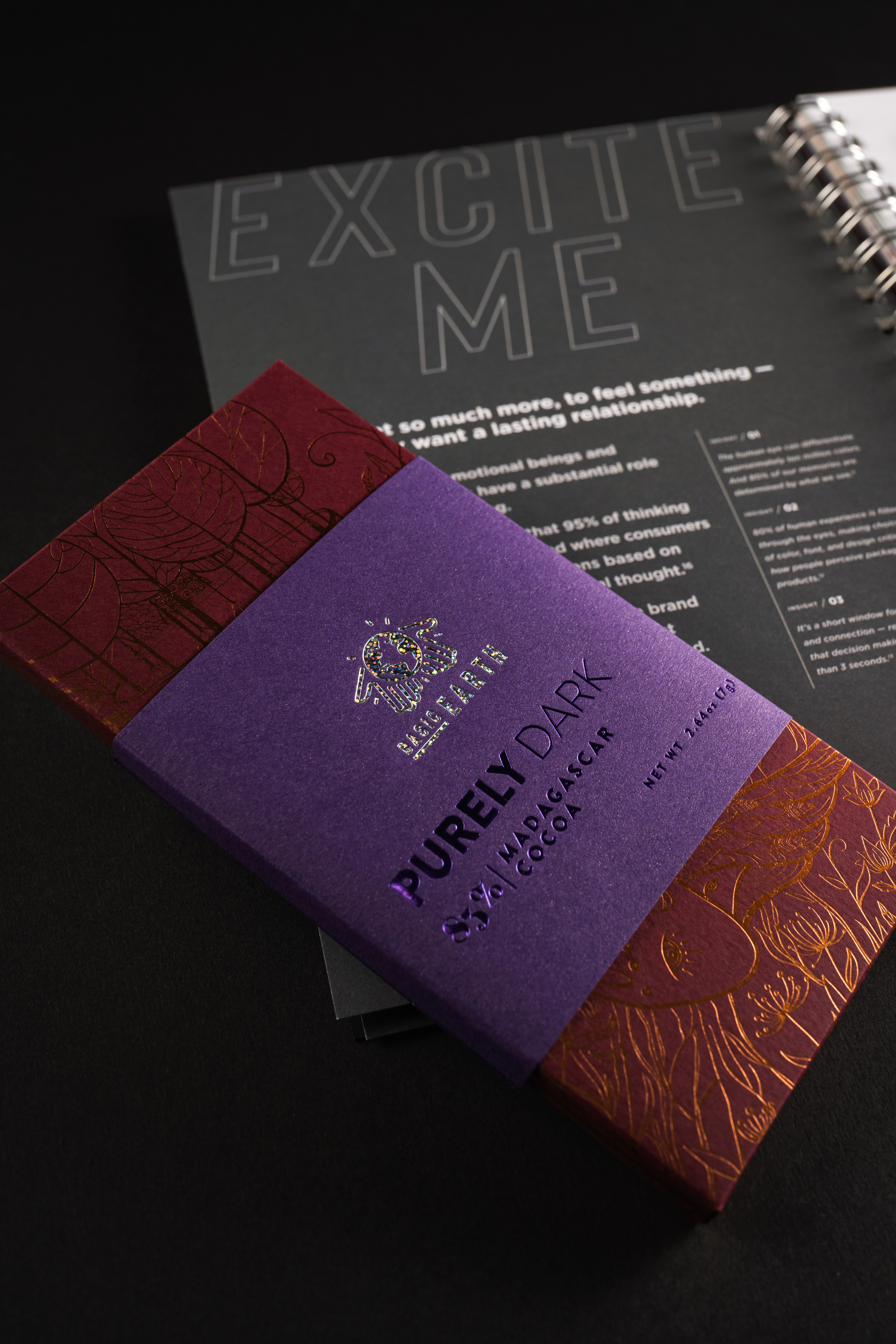
Custom dies cut edges, windows, pockets, and folds a guillotine can’t — the structure is part of the design.
Forming finishes the job: crisp creases, square folds, and clean glue lines that hold.
Cutting and finishing share the floor with the press, so the form lines up with the print every time.
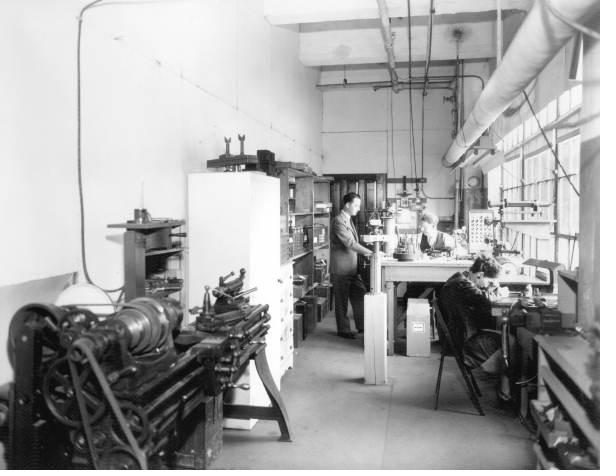
Finishing that doesn’t leave the building.
Most printers subcontract die-cutting and lose registration in the handoff. We cut, score, fold, and glue here — against the same proof.
Print and structure under one roof — the cut registers to the print because the same shop does both.
Foil, emboss, and engraving register onto die-cut pieces in the same building, in one chain of control.
Where it earns its place.
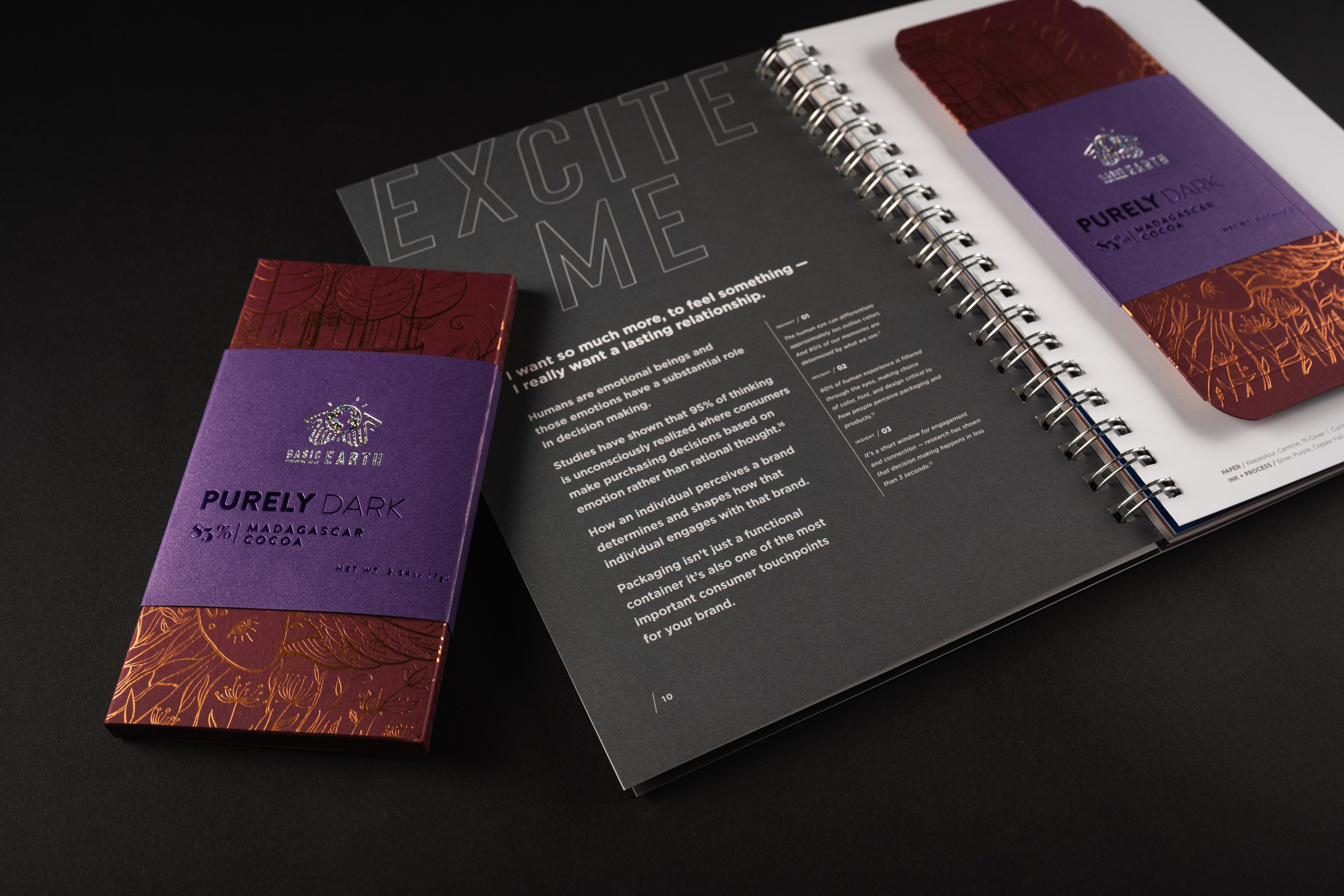
Pockets, slots, and die-cut edges built to hold the pitch the way you meant it.
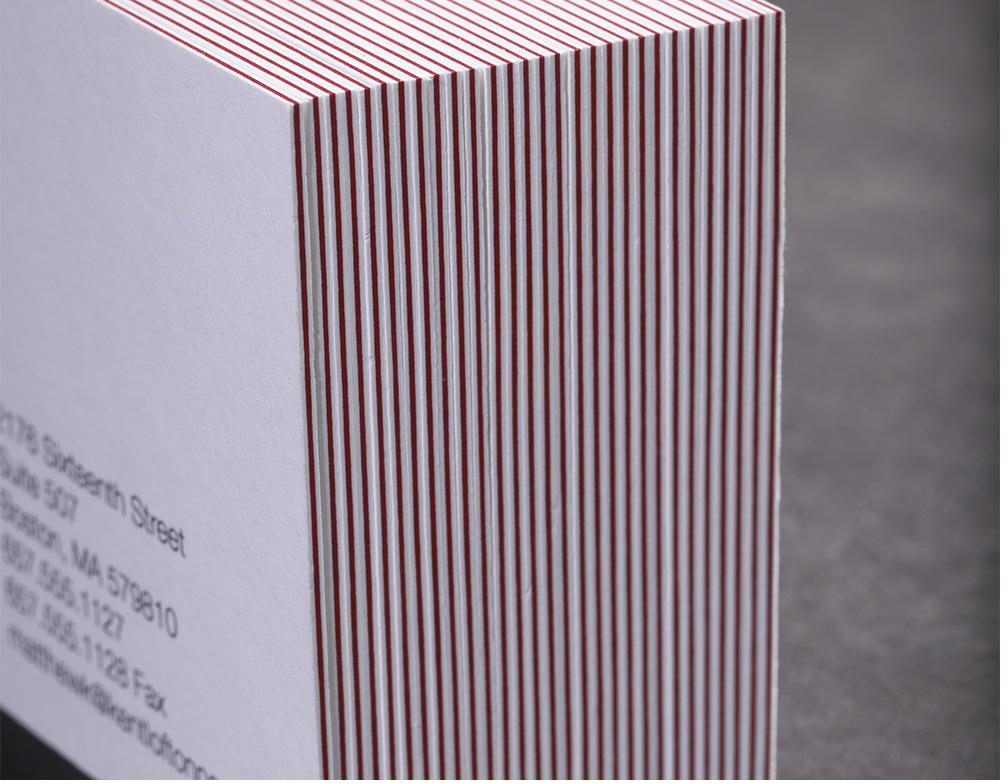
Retail and packaging structures that fold flat, ship flat, and snap up square.
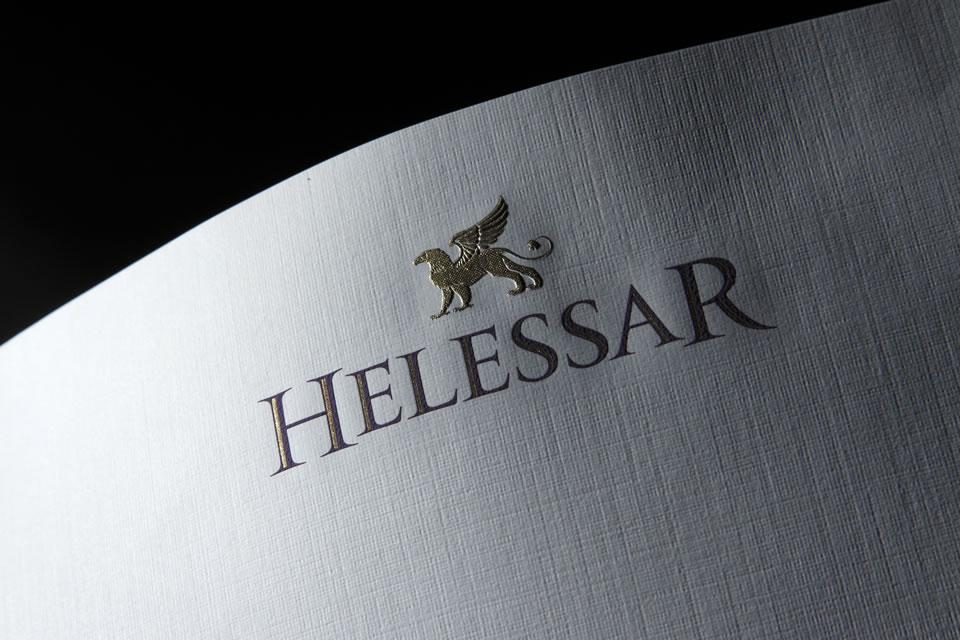
Die-cut cards, tags, and inserts where the silhouette is part of the brand.
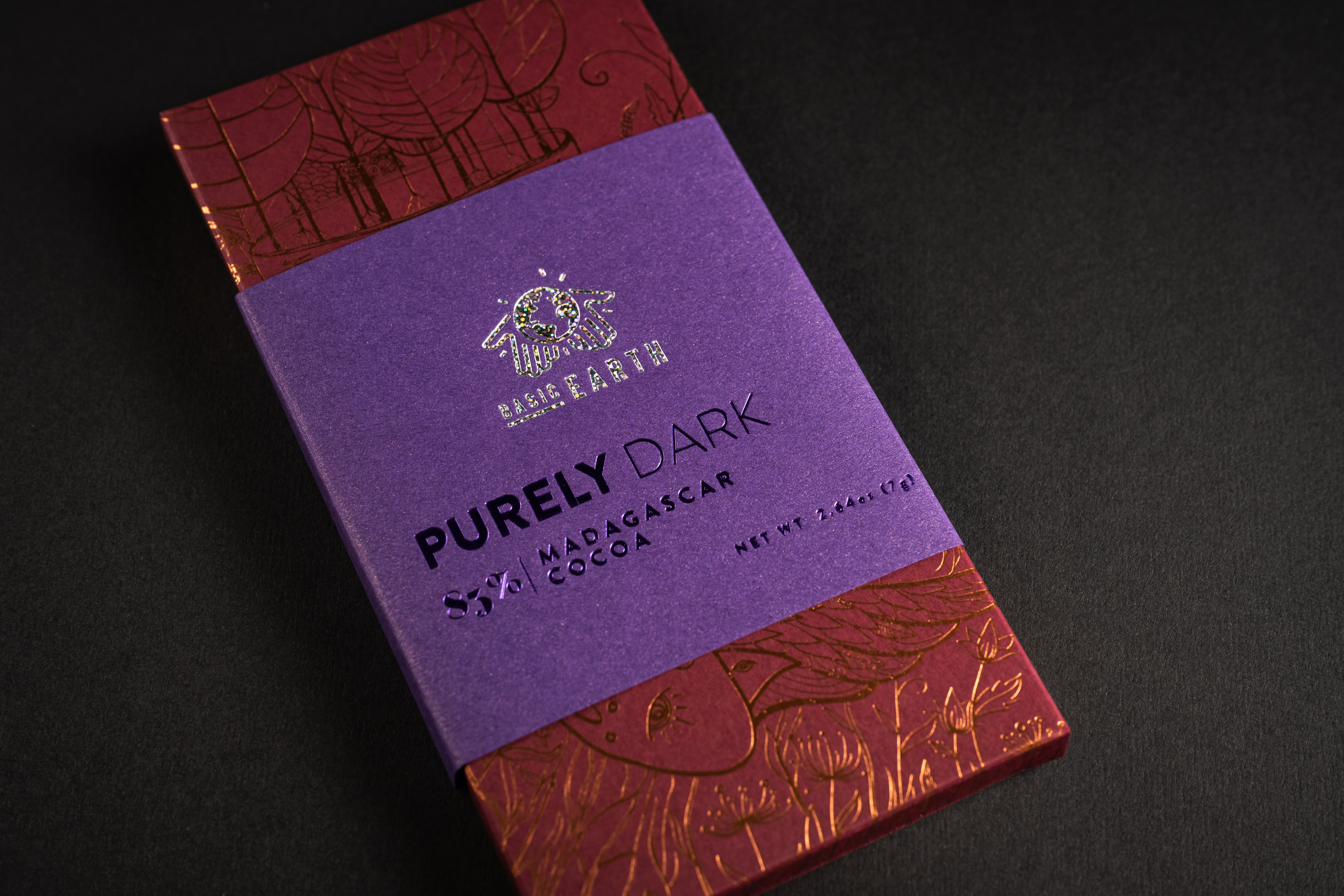
Wraps and bands cut and scored to fit the product exactly.
- Process
- Steel-rule die-cutting, scoring, forming
- Finishing
- Folding & gluing in-house
- Forms
- Folders, cartons, sleeves, custom shapes
- Sizes
- Standard & custom — up to 20 × 28″
- Turnaround
- 3–4 weeks after proof approval