Dimension without ink.
Embossing pushes the shape up off the sheet; debossing presses it in. Either way it’s texture you feel before you read it — restraint that signals quality without saying a word.
Get a quote →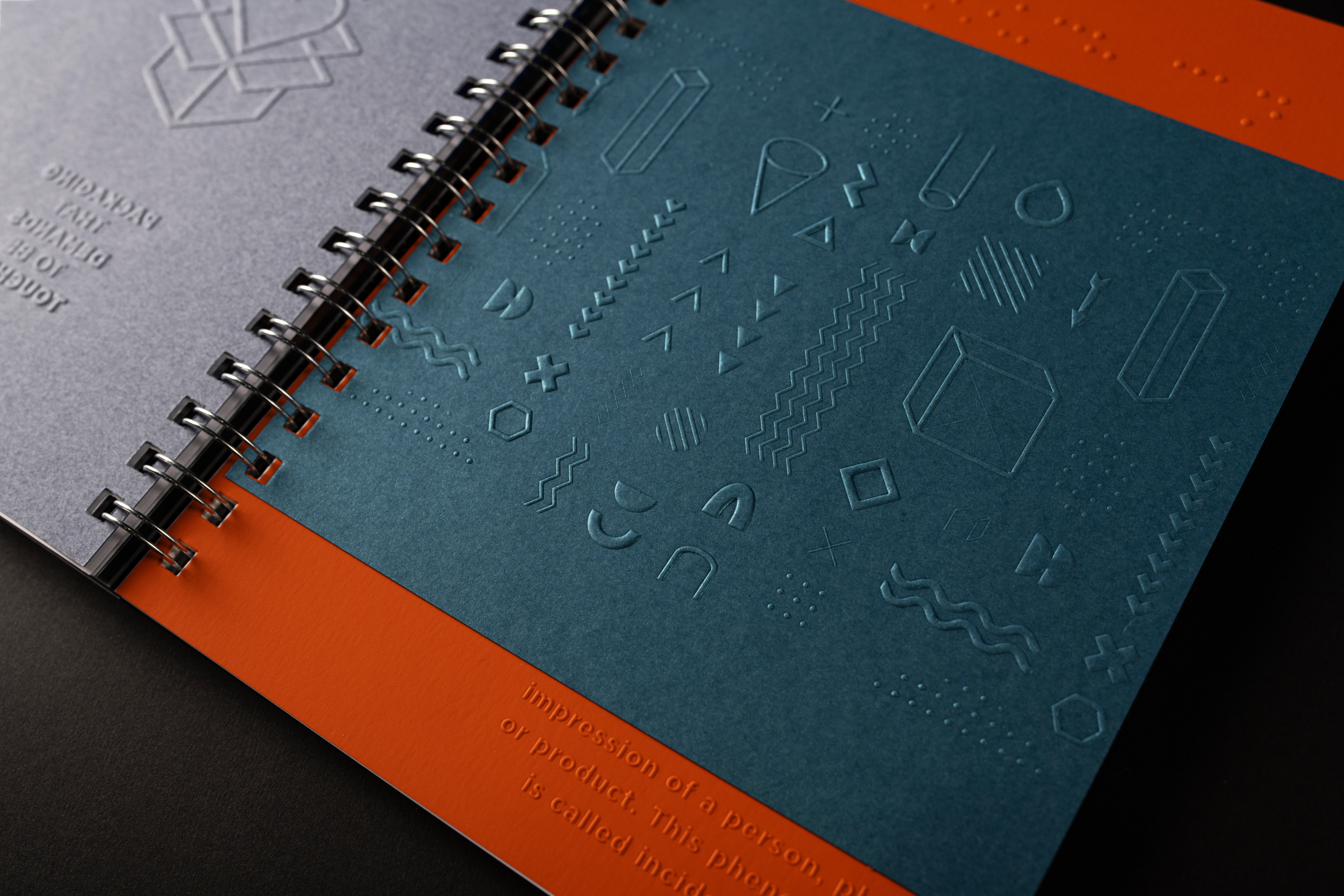
A die and pressure shape the paper itself.
A die and its counter press the stock into relief — emboss raised, deboss recessed. “Blind” means no ink at all, just shape and shadow. It works on heavier stocks that hold the form once it’s set.
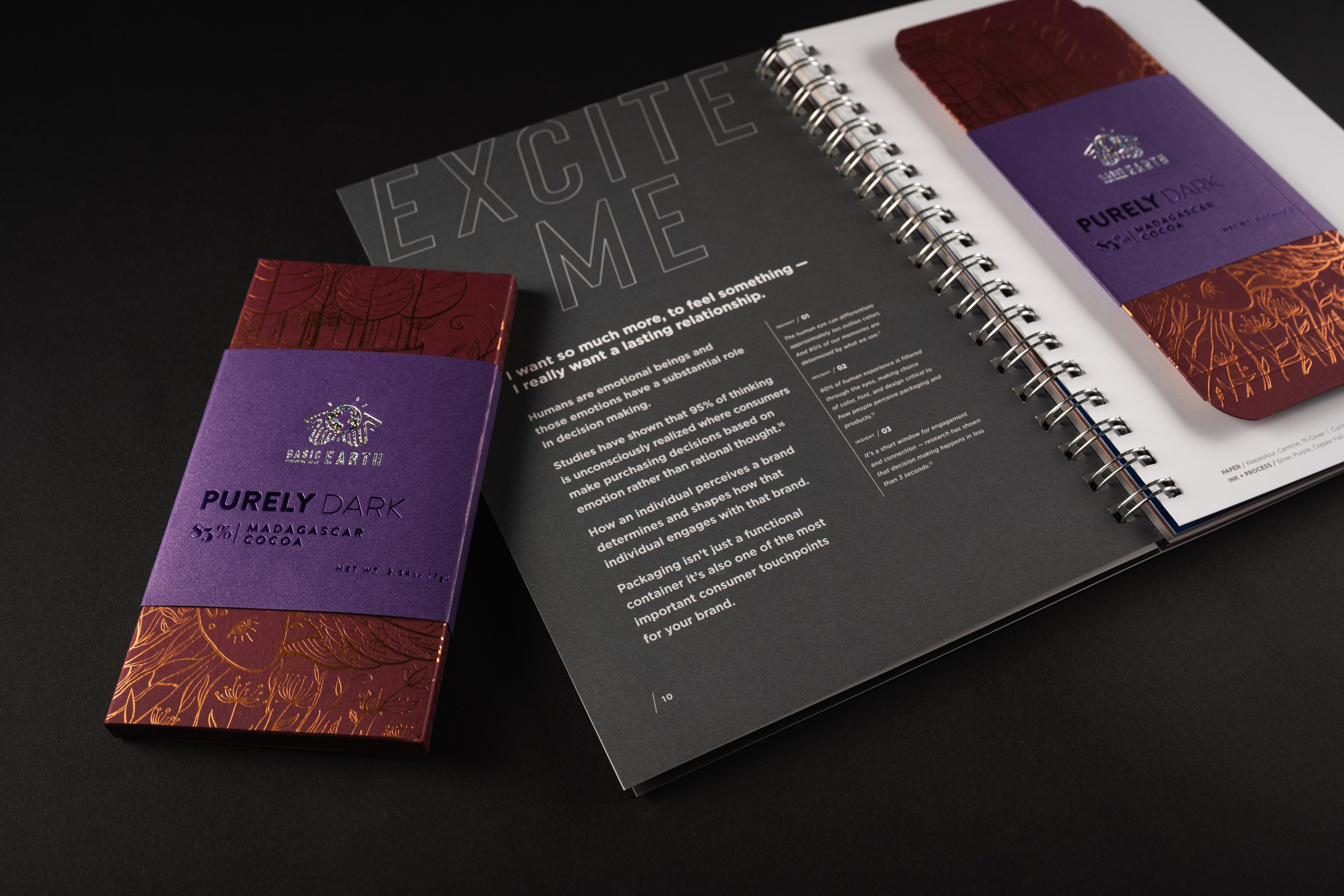
Emboss lifts the shape toward the eye; deboss presses it in. Same tooling logic, opposite direction.
No ink reads as quiet luxury; registered over ink or foil makes a combo finish that does both at once.
Heavier cover weights take the form and keep it — the relief stays crisp instead of relaxing flat.
Consistent pressure, repeatable relief.
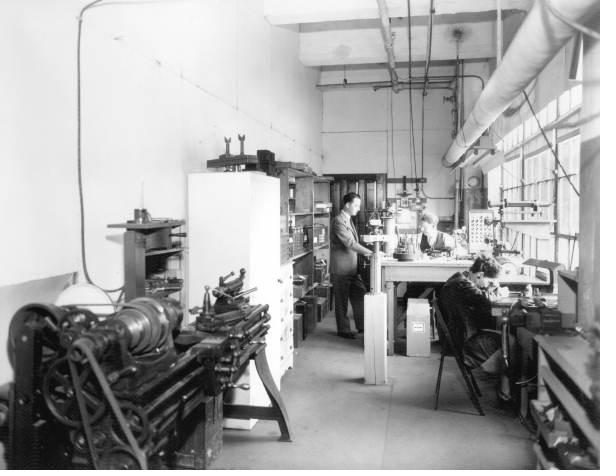
Relief depends on even pressure and a matched counter. We set it here and check it against the proof and the approved sample.
Die, counter, and impression under one roof — checked against the proof, not sent out to a finisher.
Emboss registers over foil and engraving in the same shop — sculpted combo finishes run in one pass of control.
Where it earns its place.
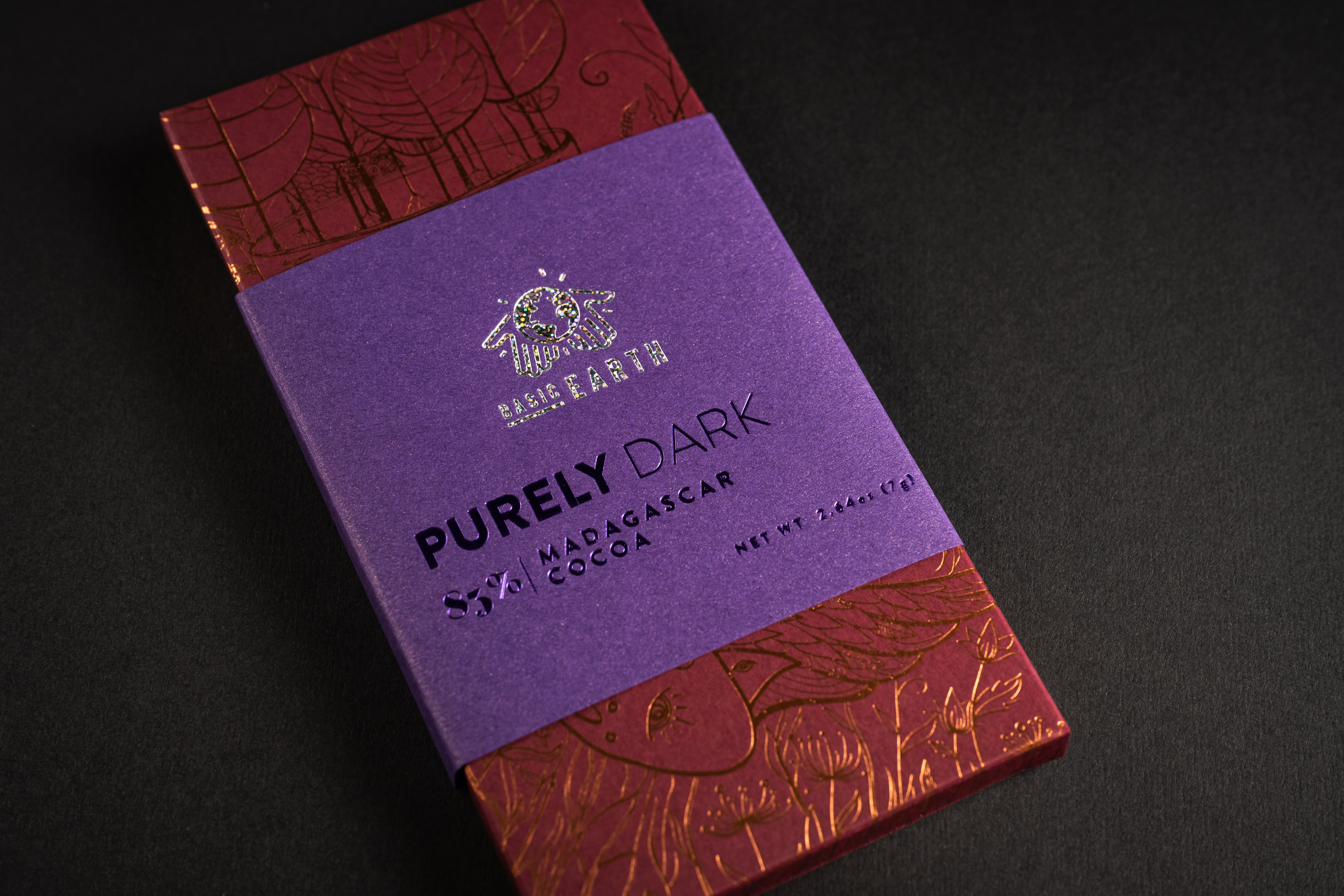
A blind-embossed mark on a carton or card reads as quality you feel, not a printed claim.
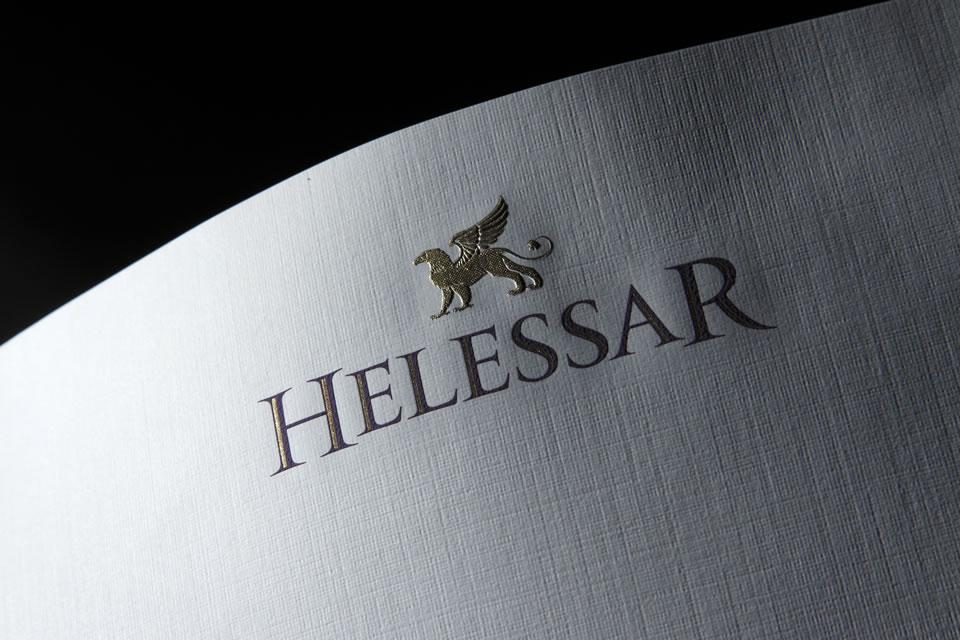
Covers and folios that announce themselves by texture before a word is read.
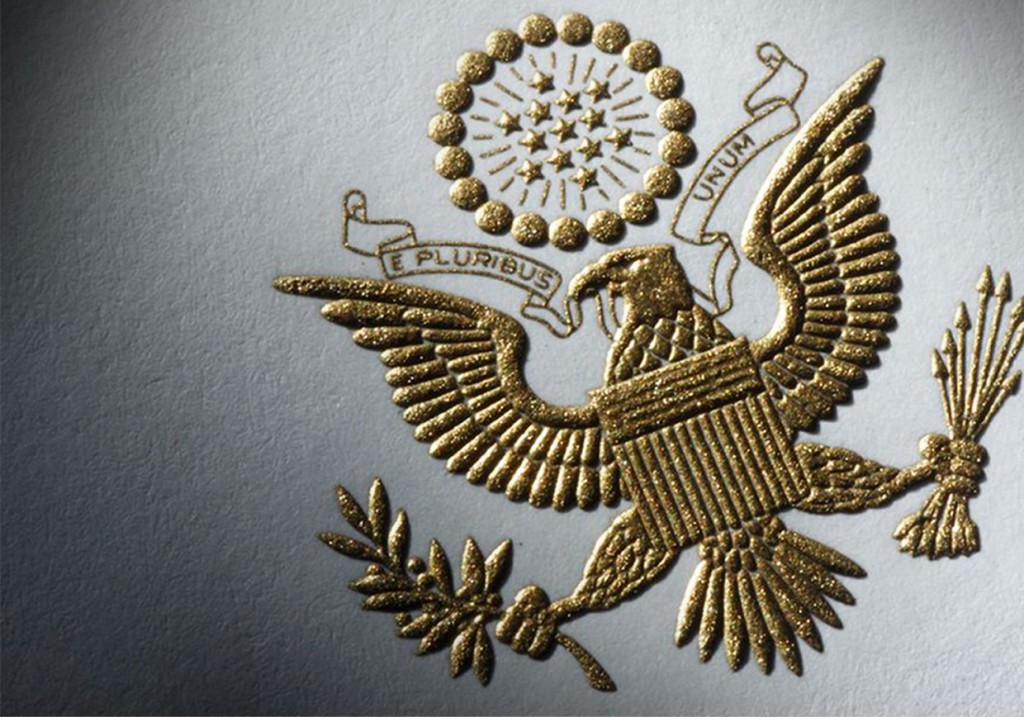
A registered emboss-over-foil monogram that turns a card into a brand asset.
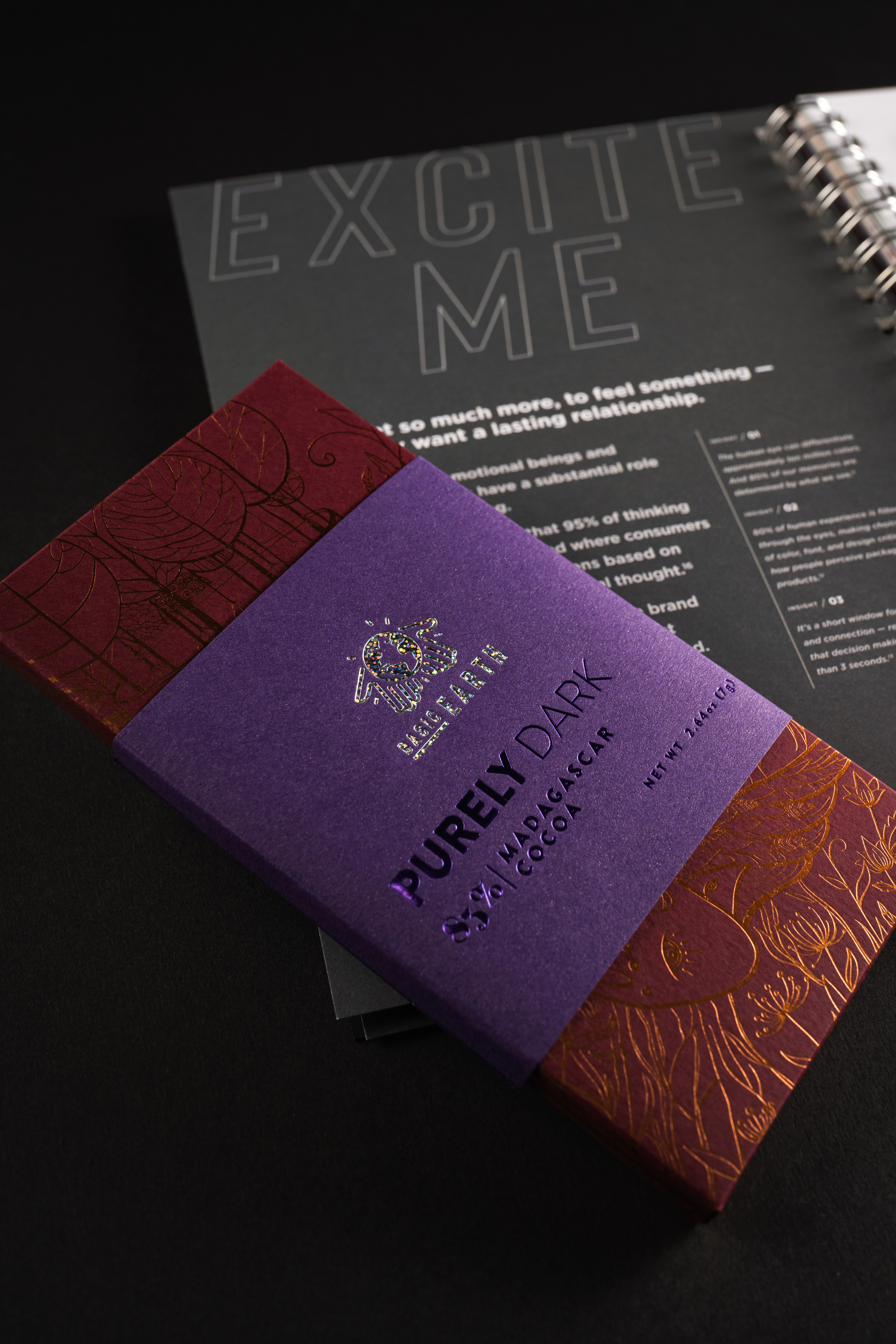
Embossed seals and closures that make the unboxing feel deliberate.
- Process
- Die & counter shape the stock into relief
- Directions
- Emboss (raised) · deboss (recessed)
- Levels
- Single vs. multi-level / sculpted — pending
- Foil combo
- Emboss-over-foil — confirm
- Stock
- Heavier cover weights — pending
- Turnaround
- Business days — pending